What to Look for When Hiring Local Electricians
In the realm of home maintenance and electrical wiring, hiring a competent and reliable professional is crucial. Before settling on a contractor, it is important to prepare a targeted checklist of questions to gauge their expertise, qualifications, and suitability for your specific household needs. This article outlines the most pertinent questions to ask your local electricians to ensure that you are making an informed decision. Given the complex, hazardous nature of electrical systems, understanding the credentials and operational practices of your service provider is essential for your immediate safety and the long-term integrity of your property. Engaging with a qualified expert ensures not only the quality of work but also strict compliance with national safety standards and building regulations.
The sheer volume of professionals in the market can make the hiring process feel overwhelming, which makes thorough screening even more necessary. Vetting the individual you bring into your home is the most effective way to protect your infrastructure from faulty installations, fire hazards, and the financial headaches of code violations. With so many options available across the country, distinguishing an adept, fully insured contractor from an under-qualified amateur requires deliberate effort. According to Consumer Affairs, there are currently more than 700,000 electricians employed in the U.S. This massive workforce spans a wide spectrum of skill levels, specialties, and business practices, meaning that homeowners must be proactive in their screening habits.
By establishing an open dialogue with potential contractors, you shift the dynamic from a simple transaction to a partnership rooted in safety and accountability. Qualified professionals welcome direct questions because it allows them to demonstrate their industry knowledge, transparency, and commitment to customer service. Taking the time to interview multiple candidates helps you understand regional pricing structures and standard service timelines. Let's dive into the core qualifications, experience markers, and protection mechanisms you must verify before allowing any technician to touch your electrical panel.
Verifying Technical Qualifications and Certifications
Understanding an electrician's qualifications and certifications is vital in establishing their credibility and technical capability. Professional credentials demonstrate that a technician has undergone rigorous training, logged thousands of hours of supervised field practice, and passed comprehensive examinations to manage electrical work safely. Because different regions require distinct types of licensing issued by state or municipal authorities, confirming that your contractor is operating legally within your local jurisdiction is a non-negotiable first step. Hiring an unlicensed individual not only risks your safety but can also void your homeowner's insurance policy if a fire or malfunction occurs down the road.
Beyond basic state licensure, many elite professionals actively engage in ongoing education and training programs. This continuous learning approach ensures that they remain fully aware of new technologies, energy-efficient upgrades, and code adaptations introduced within the industry. This is particularly critical as residential homes increasingly adopt smart automation systems, electric vehicle charging stations, and solar panel arrays that require advanced wiring knowledge. Membership in established professional organizations—such as the National Electrical Contractors Association or the International Brotherhood of Electrical Workers—is often a hallmark of dedication to high industry standards. Asking for physical or digital evidence of these certifications protects your investment and ensures your home remains up to date with modern electrical codes.
Assessing On-Job Experience and Safety Protocols
Experience plays a pivotal role in the field of electrical troubleshooting. Contractors who have been in business for several years have likely encountered a wide range of structural anomalies, enabling them to diagnose complex issues effectively. When interviewing potential local electricians, inquiring about the diversity and scale of projects they have previously managed will help you gauge their real-world proficiency. A seasoned professional can quickly spot latent hazards, such as deteriorating aluminum wiring, outdated knob-and-tube setups, or overloaded circuits, saving you significant time and money in the long run. They can also provide guidance on whether your electrical panel needs a full upgrade to support modern appliances.
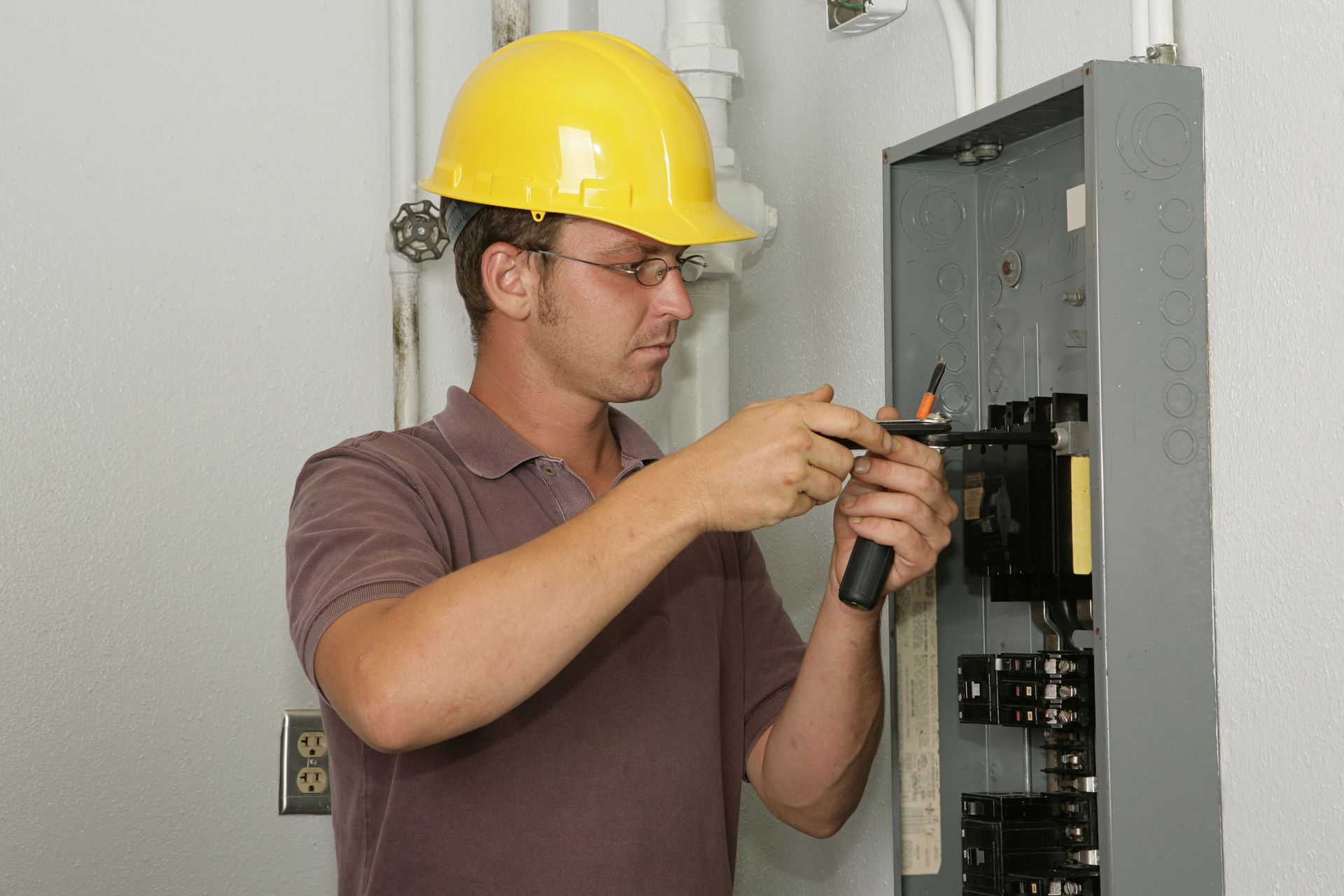
Safety must never be compromised during an electrical installation or repair project. A professional service provider will always adhere to a strict protocol that includes wearing personal protective equipment, utilizing calibrated diagnostic tools, and executing proper circuit isolation before beginning work. They should also possess a clean safety record and a transparent incident-reporting practice, which reflects a company-wide commitment to structural accountability. Asking how a team handles unexpected on-site emergencies can reveal a lot about their operational maturity and risk management practices. A truly professional outfit will also take steps to protect your flooring, walls, and personal property while the work is being actively performed.
Looking Over Written Estimates, Insurance, and Warranties
A detailed, written estimate is integral to a transparent and trusting client-contractor relationship. This document should contain comprehensive breakdowns of costs associated with labor, raw materials, and permitting fees. Accurate, itemized cost assessments prevent unforeseen financial surprises once the work is completed and serve as a reliable reference point should any structural modifications become necessary mid-project. Along with the pricing structure, a professional estimate must clearly define the project timeline, scheduling milestones, and cleanup expectations so that you know exactly how long your power might be disrupted and when your daily routine can return to normal. Financial and legal protection requires that every contractor you interview be fully insured with general liability insurance to cover property damage and workers' compensation to protect you from personal injury lawsuits.
Making an informed decision when hiring an electrical professional can save you time, money, and monumental stress. By asking targeted questions and demanding clear documentation regarding licenses, insurance, and warranties, you ensure that the contractor you choose is fully qualified to handle your home's infrastructure. A well-selected professional will not only solve your current wiring issues efficiently but will also help fortify your property against future hazards, maintaining the overall safety and functionality of your household. Skipping these steps might save a few dollars upfront, but the long-term risks to your home's safety are never worth the discount.
With so many technicians operating in the shifting domestic market, consumers must be diligent in separating top-tier professionals from handymen. Vetting your contractor is not an exercise in suspicion; it is a fundamental component of responsible homeownership and property management. Each question you ask sheds light on the technician's professionalism, technical skills, and operational ethics, guiding you toward a confident choice that keeps your home running smoothly. This careful screening process also establishes a relationship with a reliable technician whom you can call upon for routine inspections or future remodeling projects, taking the guesswork out of emergencies down the road.
Ultimately, your home's electrical system is its most sensitive and dangerous utility, requiring the steady hand of an expert. By choosing to prioritize accredited, experienced professionals over the cheapest quick-fix option, you are establishing a legacy of safety and value for your property. An investment in quality electrical work pays dividends in property value, operational efficiency, and home safety. Take the time to conduct thorough research, ask the tough questions, and partner with a local business that respects your home as much as you do.
A safe, reliably powered home starts with a contractor who refuses to cut corners. Are you ready to upgrade your electrical panel or secure your property with a professional wiring assessment? Contact LRE Electric to consult with certified
local electricians and discover how we can illuminate your next home improvement project with safety and precision.